Pothole report, Gazipur
Listing the broken roads and potholes of an area, with photos, locations and size, and handing it to the municipality or upazila engineer’s office.
- 0/4 people
- About 5 hours
- 10
- points
About this task
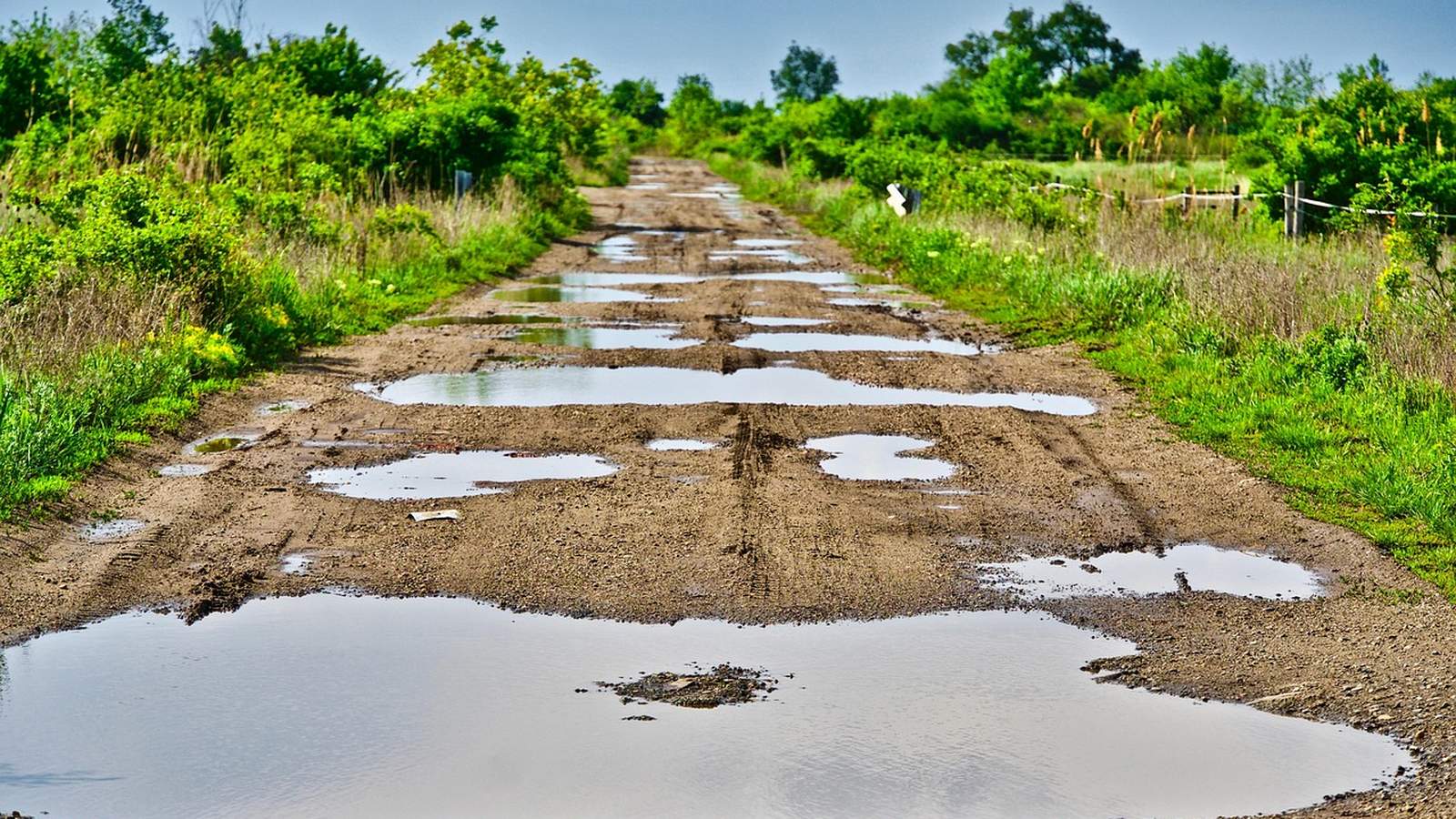
In Gazipur’s industrial belt, heavy vehicles break the roads fast. Dividing an area’s roads, listing each pothole and broken stretch with a photo, map location, rough size and risk; then handing it to the municipality or upazila engineer’s office, and a month later checking how many were mended.
Why it matters
Potholes overturn rickshaws, throw motorbikes and hold up ambulances. A precise list in the authority’s hands makes it easy to decide what to mend first.
What changes after
At least twenty potholes listed with photo and location; the authority’s received copy; an update a month later.
Who can join
Anyone with a smartphone.
Step by step
0 of 3 steps doneHow to do it, in order.About 5 hours across all steps
- 1
Divide the roads
Each takes a few roads.
30 min
Not startedIn hand:Nobody yet - 2
Photo and location
A photo, map pin, rough size and how dangerous, for each.
180 min
Not startedIn hand:Nobody yet - 3
Hand in and follow up
A received copy; a month later, check how many were mended.
90 min
Not startedIn hand:Nobody yet
When it counts as done
- At least twenty potholes listed with photo and location
- The authority’s received copy
Proof required
- Document
- Photo
Safety
Photograph from the pavement; never stand in the middle of the road.
The full guide
What it takes, and how to do it
Never done this before? No matter. The cost, the timeline, who does what, whom to speak to, the day hour by hour, the risks and ready words to send are all here.
- About
- ৳500–1,400
- People
- 4
- Time in all
- 5 hours
- Age
- 15 or older
Best timeAfter the monsoon, September to November: the monsoon damage is plain, and the list arrives before dry-season repairs begin. In daylight, morning or afternoon.
PermissionNo permission needed; photographing public roads and handing in a list is a citizen's right. Town roads go to the municipality; village roads usually to the upazila engineer's (LGED) office.
What it costs
Prices differ by district and season; this is a 2026 estimate. Keep receipts and put them in the proof.
| What | How much | Price |
|---|---|---|
| Printing the list (with colour photos) and copies3 setsWhere: Photocopy and print shop | 3 sets | ৳100–300 |
| Mobile data (maps and sending photos)4 peopleWhere: Mobile recharge shop | 4 people | ৳50–100 |
| File cover and envelope1 setWhere: Stationery shop | 1 set | ৳30–60 |
| Total (about) | ৳500–1,400 | |
Getting ready, step by step
7 days before
- Fix the area's edges; split its roads into four parts on a map.
- Find out which roads belong to the municipality, LGED or the roads department.
The day before
- Make a shared sheet: number, road name, map link, rough size, risk (low/medium/high), photo number.
- Check everyone's phone has location on and the camera shows the date.
On the day
- Each walks their part: a far and a near photo, map pin and size for each pothole.
- At midday merge everything in one sheet; check for duplicates.
2–3 days after
- Print the list and hand it in with the application; get a stamp and date on the received copy.
- Put a photo of the received copy in the proof.
A month later
- Go back to the same spots and see how many were mended; take new photos.
- Return to the office with the update, or raise it through 333.
Who does what
Lead1
Splits the area, keeps the sheet, hands in and follows up.
Surveyors2
Photo, pin, size and risk for each pothole in their part.
Sheet and checking1
Surveys a part too, and enters everyone's data in the sheet, removes duplicates, matches photo numbers.
Whom to speak to first
The municipality's engineering section
- Why
- Town road repair is theirs.
- How
- Hand in the list with an application, take a received copy; return a month later with the update.
The upazila engineer's office (LGED)
- Why
- Most paved village and upazila roads are in their care.
- How
- Same written hand-in; add the road's name or ID if known.
The ward councillor or union parishad member
- Why
- Can push the area's priorities.
- How
- Give a copy of the list and show the received copy.
The day, hour by hour
- 07:30Gather, split parts, safety talk: photos only from the pavement or road edge.
- 08:00Survey starts in each part.
- 10:00Water break in shade; enter the first round in the sheet.
- 10:15Survey the rest.
- 11:30Meet up; merge the sheet, remove duplicates.
- 12:00Mark the five most dangerous at the top of the list.
- 12:30Done; fix the day to print and hand in.
How to take the proof
- Two photos per pothole: one from afar (road and surroundings recognisable), one close with a sandal or bottle beside it for scale.
- A map link or coordinates for each pothole in the sheet.
- A photo of the received copy with the office's stamp and date.
- A month later, photos of the same spots, side by side.
Common first-time mistakes
- Only close-up photos; the office cannot tell where it is.
- Not keeping a received copy; no proof later.
- Handing in to the wrong office.
- Stopping at hand-in; the follow-up a month later is the real work.
What can go wrong, and what to do
Being hit by traffic while photographing
Never stand mid-road; shoot from the pavement or edge, zoom if needed; on busy roads go in pairs, one watching traffic.
The office refuses the list or a received copy
Ask politely again; otherwise send by post and keep the receipt, or raise it via 333.
Injury falling into a water-filled pothole
Never test a flooded pothole's depth with your foot; use a stick or estimate.
Ready words to send
Copy, fill the [brackets], send.
WhatsApp / Facebook invitation
A pothole list for our area: four volunteers needed! When: [date], 7:30 am to 12:30 pm Start: [place] What: each of us walks a few roads, taking a photo, map pin and size for each pothole; then we hand the list to [municipality/upazila engineer's office]. Need: a smartphone with location on, fully charged. Age 15 and up. Photos only from the pavement. To join, send a request on this task's page on Desher Kaj.
Application to the municipality / upazila engineer
Date: [date] To [Executive Engineer, municipality / Upazila Engineer, upazila] Subject: Request to repair potholes and broken stretches in [area]. Sir/Madam, We are [team name], a volunteer team on the Desher Kaj platform. On [date] we walked the roads of [area] and listed [number] potholes and broken stretches, with photos, map locations and rough sizes. Of these, [number] are very dangerous and are placed at the top of the list. The list and photos are attached. For public safety, we kindly request quick repair. We will check again in a month and update your office. Attachment: list ([pages] pages) Yours faithfully [Name], team lead [team name]
After it is done
- A month later, photograph the same spots and post an update: mended and not mended.
- If mended, send the office a thank-you letter; the relationship helps next time.
- Keep the sheet; repeat in the same area after every monsoon.
Questions people ask
Which office gets it?
Town roads to the municipality; village roads usually to the upazila engineer (LGED).
Can I join if I cannot stay the whole time?
Yes. Say in your request which step or which hours you can do. The lead will give that step to you.