Cloth bags for polythene
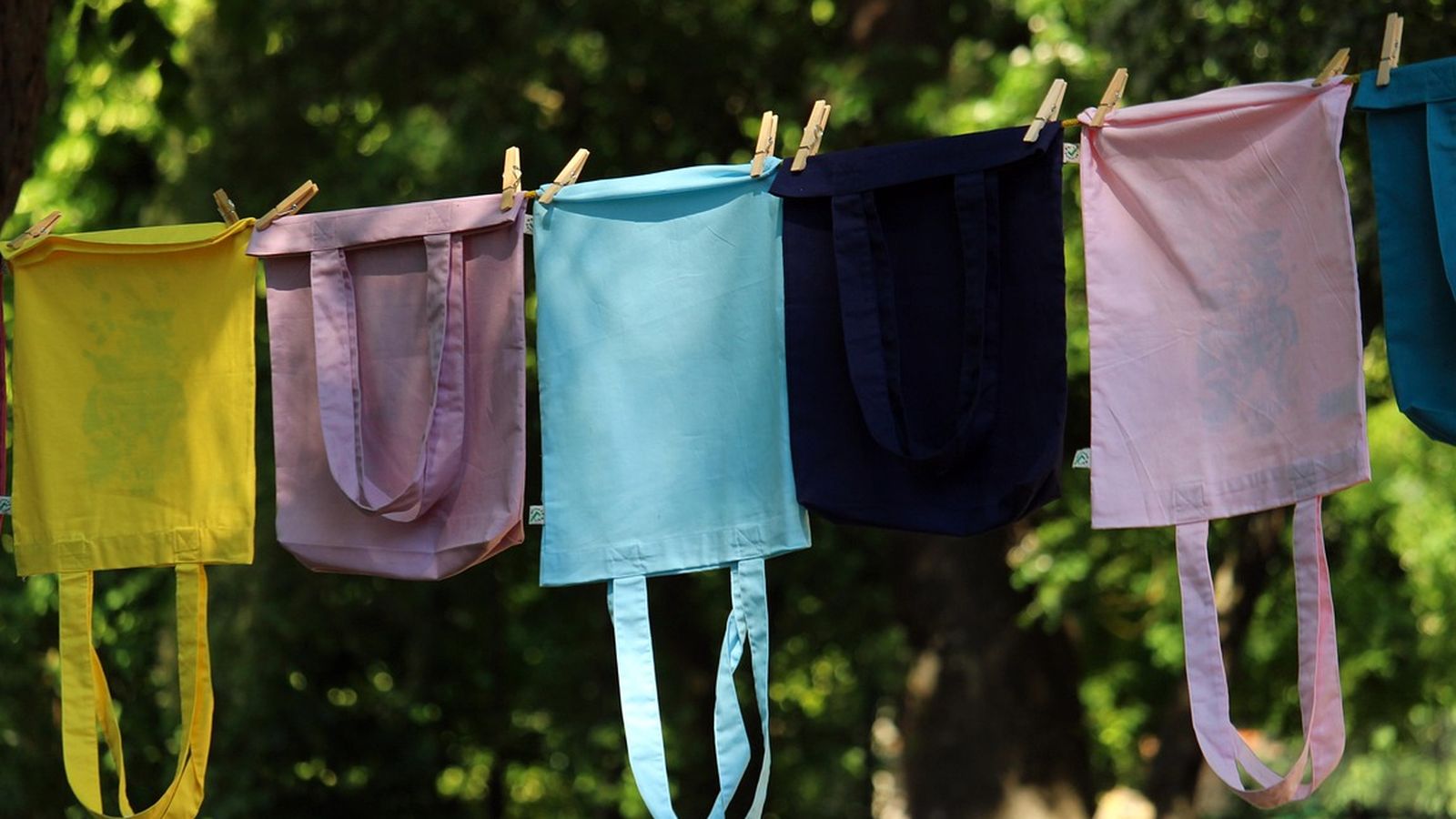
On market day, swapping polythene for cloth or jute bags made by local tailors, and talking with the shopkeepers.
- 0/5 people
- About 6 hours
- 10
- points
About this task
In Narsingdi, known for its looms and cloth, skilled hands for cloth bags are easy to find. A table on market day: five polythene bags in, one cloth or jute bag out, made by a local tailor. And talks with the shopkeepers; those who will cut polythene get a “No polythene here” sticker.
Why it matters
Bangladesh banned polythene shopping bags in 2002, among the first countries in the world to do so, because polythene was blocking drains and causing floods. Markets still run on polythene today, and it piles up in drains, rivers and soil.
What changes after
At least two hundred bags in people’s hands; stickers in at least ten shops; steady bag-making work for a local tailor.
Who can join
Anyone; if you can sew, help make the bags.
Step by step
0 of 3 steps doneHow to do it, in order.About 7 hours across all steps
- 1
Make the bags
Old cloth or jute, by a local tailor; keep receipts.
180 minকাপড় বা পাট
Not startedIn hand:Nobody yet - 2
The swap table
Five polythene bags for one cloth bag.
180 minটেবিল
Not startedIn hand:Nobody yet - 3
Talk with the shopkeepers
Who will try not to hand out polythene: a sticker in their shop.
60 minস্টিকার
Not startedIn hand:Nobody yet
What you need
- Cloth bags · ২০০টি
- Stickers · ৫০টি
When it counts as done
- At least two hundred bags swapped
- Stickers in at least ten shops
Proof required
- Photo
- Receipt
The full guide
What it takes, and how to do it
Never done this before? No matter. The cost, the timeline, who does what, whom to speak to, the day hour by hour, the risks and ready words to send are all here.
- About
- ৳6,000–11,000
- People
- 5
- Time in all
- 6 hours
- Age
- Any age
Best timeAll year; the dry season (November to April) makes crowds and a table easier. The weekly market day morning, when the market is busiest.
PermissionGet the market committee's consent and agree the table spot with them. In a municipal market, also tell the market inspector or municipality.
What it costs
Prices differ by district and season; this is a 2026 estimate. Keep receipts and put them in the proof.
| What | How much | Price |
|---|---|---|
| Tailor's charge (bags from donated old cloth)200 bagsWhere: Local tailor | 200 bags | ৳20–35 |
| New cloth or jute to fill the gap20 yardsWhere: Cloth shop or jute goods shop | 20 yards | ৳60–120 |
| Stickers: “No polythene here”50Where: Print and sticker shop | 50 | ৳10–20 |
| Banner1Where: Flex print shop | 1 | ৳300–600 |
| Sacks for collected polythene5Where: Used-sack shop | 5 | ৳15–25 |
| Total (about) | ৳6,000–11,000 | |
Getting ready, step by step
3 weeks before
- Talk with the market committee and fix the market day and table spot.
- Call for old cloth (saris, lungis, curtains, bedsheets).
2 weeks before
- Agree size and rate with a local tailor; have a sample made, with handles that hold 5 kg of shopping.
- Give the cloth to the tailor; keep the receipt.
3 days before
- Count and collect the bags; print stickers and banner.
- First round of talks with shopkeepers: who will take a sticker.
- Decide who takes the collected polythene: the municipal waste service or a recycling collector.
On the day
- Five polythene bags in, one cloth bag out; count the polythene into sacks.
- Put stickers on willing shops and list the shop names.
The week after
- Give the collected polythene to the waste service or collector; never burn it.
- Visit the sticker shops to see if polythene has dropped, and talk.
Who does what
Lead1
Market committee, tailor, account and receipts.
Swap table2
Count polythene in, hand out bags, tick each bag.
Shopkeeper talks2
Go shop to shop, explain, sticker and list the willing ones.
Whom to speak to first
The market or haat committee
- Why
- The table spot, and acceptance among shopkeepers.
- How
- Give a written request; invite the president to put up the first sticker.
A local tailor or a group of women who sew
- Why
- Making the bags; later, an income if they sell them regularly.
- How
- Show a sample, fix the rate, take a signed receipt.
The municipality's waste section or union parishad
- Why
- Where the collected polythene goes.
- How
- Tell them beforehand and fix a truck or drop point.
The day, hour by hour
- 08:00Set table, banner and bags; sacks ready.
- 08:30Swap starts: five polythene for one bag.
- 09:30Shopkeeper team starts its round; stickers on willing shops.
- 11:00Break; check the bag and polythene counts.
- 11:15Swap and shop talks continue.
- 13:00Close; tie sacks at the drop point, finalise the sticker shop list, photos.
How to take the proof
- A photo of the swap table showing banner and bags.
- Photos of at least ten shops with stickers, with the owners' consent.
- Receipts for the tailor's charge and cloth.
- The swap tally (at least 200 bags) and a photo of the polythene sacks.
Common first-time mistakes
- Treating one swap as the end; talks with shopkeepers are the real work.
- Making bags too small or thin for anyone to bring to market.
- Not keeping receipts.
- Shaming or blaming shopkeepers; asking for help gets more response.
What can go wrong, and what to do
Bags run out early and people are turned away
Announce from the start: one bag per person; when they run out, explain politely and give the next market day.
Shopkeepers annoyed or objecting
Never press; avoid rush hour and go when it is quiet; stickers only where the owner agrees.
Collected polythene dumped or burned
Fix who takes it beforehand; burning makes toxic smoke, never do it.
Weak bags tear on the first day
Test the sample with 5 kg; have handles double-stitched.
Ready words to send
Copy, fill the [brackets], send.
WhatsApp / Facebook / loudspeaker notice
Bring five polythene bags, take one cloth bag! When: [date], market day, 8:30 am to 1 pm Where: [market name], [spot] Sturdy cloth bags made by a local tailor, for shopping again and again. One bag per person, while they last. To donate old saris, lungis or sheets, bring them to [place] by [date]. No money is being taken. To volunteer, join this task's page on Desher Kaj.
Application to the market committee
Date: [date] To The President/General Secretary [market name] Market Committee, [address] Subject: Permission for a polythene-for-cloth-bag swap table in the market. Sir/Madam, We are [team name], a volunteer team on the Desher Kaj platform. On [date], market day, from 8:30 am to 1 pm, we wish to set a table at [spot] where shoppers hand in five polythene bags and receive one cloth bag. Shopkeepers who freely agree to cut polythene would get a “No polythene here” sticker. We will keep the walkway open, keep the place clean, and hand the collected polythene to the waste service. No money will be taken from anyone. We ask for your kind permission. Yours faithfully [Name], team lead [team name]
After it is done
- After a month, visit the sticker shops, see what changed, and post an update.
- If the tailor is willing, help set up regular low-cost bag sales at the market.
- Set the swap table again one market day a month; people will get used to bringing bags.
Questions people ask
What do we do with the polythene collected?
Give it to the municipal waste service or a recycling collector; never burn it.
Can I join if I cannot stay the whole time?
Yes. Say in your request which step or which hours you can do. The lead will give that step to you.